You’ve probably heard the accordion kick in and that steady, rhythmic tuba bassline before a voice starts spinning a tale about a kid from the mountains. It’s "El Niño de la Tuna." This isn’t just some random song you blast at a carne asada. It’s a piece of history—or at least, a piece of a very specific kind of folklore. When people go looking for El Niño de la Tuna lyrics, they aren't just looking for words to sing along to. They’re looking for the story of Joaquín "El Chapo" Guzmán.
Music is a mirror. In the world of corridos, it’s more like a filtered lens.
Who Exactly Is the Boy from La Tuna?
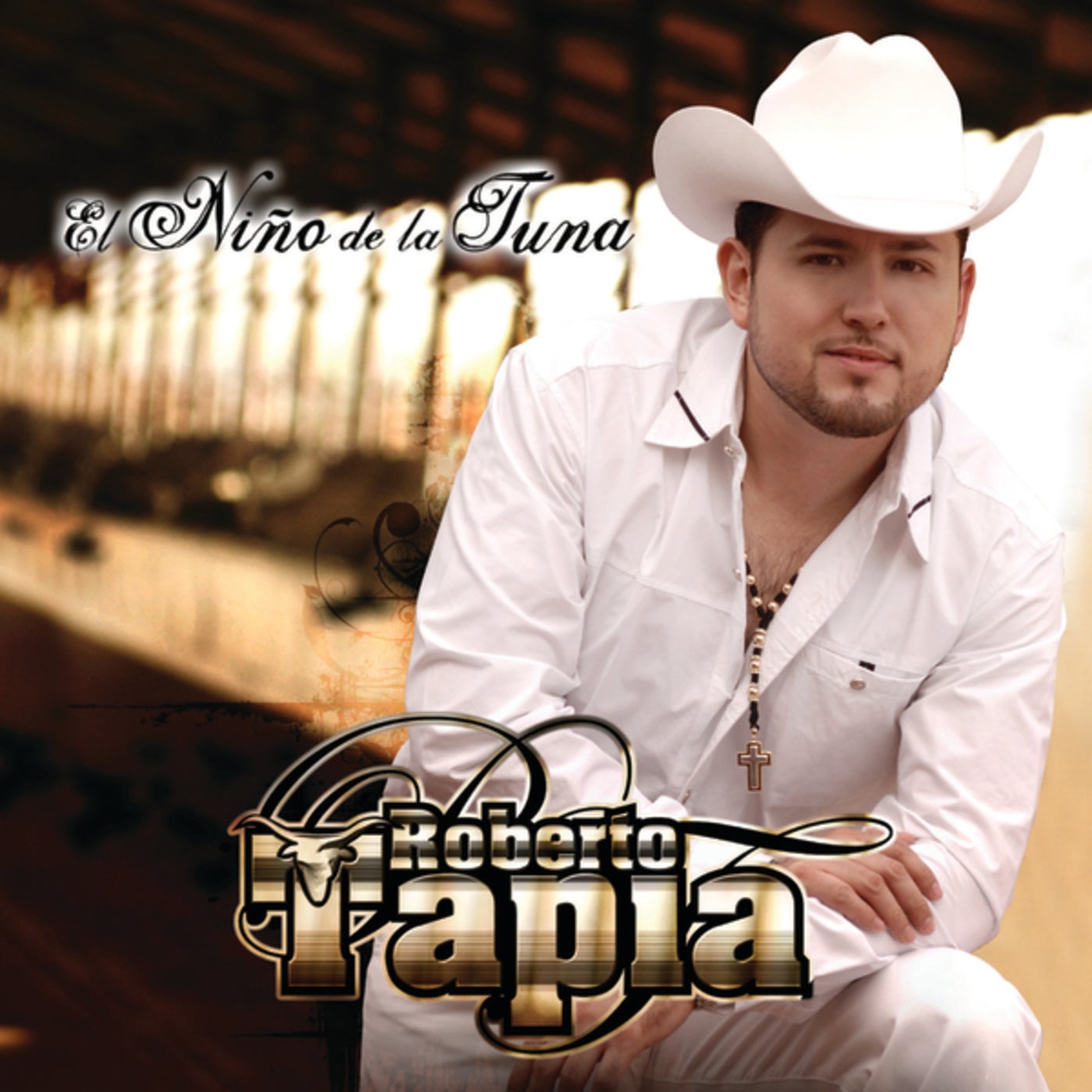
La Tuna is a tiny, dusty ranch in the municipality of Badiraguato, Sinaloa. It’s rugged. It’s remote. It’s the kind of place where you either work the land or you find "other" ways to survive. The lyrics of this song, most famously performed by Roberto Tapia, serve as a musical biography of El Chapo’s rise from a penniless orange seller to the head of the Sinaloa Cartel.
Honestly, the song is fascinating because it doesn't lead with violence. It leads with poverty. It talks about a "shorty" (Chapo) who had big dreams. You’ll notice the lyrics mention him selling oranges and bread to support his family. This isn't just filler; it’s a core part of the mythos. It frames his eventual criminal empire as a response to the crushing weight of being poor in the Sierra Madre.
Decoding the Most Famous Lines in El Niño de la Tuna Lyrics
If you look closely at the El Niño de la Tuna lyrics, you see a very specific narrative structure. It’s not chronological in a boring way. It’s emotional.
"Aquel niño de La Tuna, el que vendía las naranjas..."
That’s the hook. It immediately grounds the listener in the protagonist's humble beginnings. But then, the song shifts. It mentions he’s no longer that kid. He’s "el señor." The lyrics often reference the protection he supposedly gave to his people. This is a common trope in narco-cultura. The songs act as public relations. They paint the subject as a Robin Hood figure, someone who "never forgot where he came from."
Whether that’s true or just clever marketing is up for debate, but in the context of the song, it’s treated as gospel.
The Symbolism of the Sierra
The mountains aren't just a setting in these lyrics. They are a character. The Sierra is described as a fortress. In the world of the Sinaloa Cartel, the geography of the Golden Triangle (Sinaloa, Chihuahua, and Durango) provided a natural defense against the military and rival factions. When Tapia sings about the hills and the pines, he’s talking about safety. He’s talking about home.
Why Roberto Tapia’s Version Hit So Hard
There are dozens of versions of this corrido. Every local band in Culiacán has probably played it ten thousand times. But Roberto Tapia’s version is the one that stuck. Why?
Tapia has a specific tone. It’s polished but still feels "de la sierra." He captures the respect—and let’s be real, the idolization—that permeates these types of songs. The production value on his track helped push it into the mainstream, making it a staple on Billboard’s Latin charts. It bridged the gap between underground narco-ballads and commercial radio.
It’s kind of wild when you think about it. You have a song celebrating a man wanted by multiple governments, and it’s being played at weddings and on FM radio. That’s the power of a well-written corrido. The melody is infectious. You find yourself humming along to the story of a global kingpin before you even realize what the words are saying.
The Cultural Impact of Corridos
We can't talk about these lyrics without talking about the "Narcocorrido" genre as a whole. Experts like Elijah Wald, who wrote Narcocorrido: A Journey into the Music of Drugs, Guns, and Guerrillas, argue that these songs are the modern-day equivalent of the medieval troubadour’s ballads. They document current events in real-time, albeit from a very biased perspective.
Some people hate them. They say the music glorifies a lifestyle that has caused immense pain in Mexico. Others see it as "periodismo musical"—musical journalism. They argue that if the government won’t tell the real story of what’s happening in the mountains, the singers will.
The El Niño de la Tuna lyrics don't mention the bloodshed. They don't mention the "muletazos" or the families torn apart by the drug trade. They focus on the "values" of the culture: loyalty, family, and grit. It’s a sanitized version of a very messy reality.
Understanding the Vocabulary
If you aren't a native Spanish speaker, or if you aren't familiar with Sinaloan slang, some of the lyrics might fly over your head. Here’s the gist of the common terms you’ll find in this song and others like it:
- La Sierra: The mountain range where the cartels operate.
- Plebada: The crew, the boys, the followers.
- El Señor: A term of high respect, usually referring to the boss.
- Agradecido: Grateful. This is a huge theme—showing gratitude to those who stayed loyal when things were tough.
The song emphasizes that Chapo didn't get to the top alone. He had his "gente." The lyrics are as much about the collective identity of the cartel as they are about the man himself.
The Controversy of Performance
Is it legal to play this? Mostly, yes. But in certain parts of Mexico, like Chihuahua and parts of Sinaloa, there have been various bans or fines for performing narco-corridos in public spaces. Authorities argue that the music "incites violence."
Artists like Roberto Tapia have navigated this minefield for years. They argue they are just entertainers. They are storytellers. If the story exists, why shouldn't they sing it? It’s a classic "art vs. morality" debate that has no easy answer.
How to Analyze the Lyrics Yourself
When you sit down with the El Niño de la Tuna lyrics, try to look past the surface. Notice the lack of specific dates or crimes. Notice the emphasis on "humildad" (humility). The song is designed to make the listener sympathize with the subject. It’s a masterclass in myth-building.
You’ll see references to his sons, his mother, and his roots. This humanizes a man who, in the eyes of the law, is a monster. That’s the "magic" of the genre. It turns a news headline into a legend.
Basically, the song functions as a piece of oral history. For the people of Badiraguato, these lyrics aren't just entertainment. They are a record of one of their own who made it "big." Whether that’s a good thing or a bad thing depends entirely on who you ask.
Actionable Insights for Fans and Researchers
If you are interested in the deeper cultural context of the El Niño de la Tuna lyrics, your next steps should involve looking at the broader landscape of Sinaloan music.
- Compare Versions: Listen to the version by Los Nuevo Rebeldes vs. Roberto Tapia. Notice the difference in instrumentation and which verses they choose to emphasize.
- Explore the History of La Tuna: Use Google Earth to actually look at the terrain of Badiraguato. Seeing how isolated the "ranchito" is helps explain why the lyrics focus so heavily on the difficulty of getting out.
- Study the Corrido Timeline: Track how the lyrics changed after Chapo’s various escapes and final recapture. Corridos are often updated with "extra" verses to reflect new events in the subject's life.
- Look Into the "Musician-Cartel" Relationship: Research the risks artists take when they sing these songs. Many singers have been targeted by rival cartels simply for performing a song dedicated to a specific boss.
Understanding these lyrics requires more than a translation. It requires an understanding of a century-old musical tradition that refuses to die, no matter how much the authorities try to silence it. It’s about the struggle, the power, and the complicated reality of life in the Mexican Sierra.