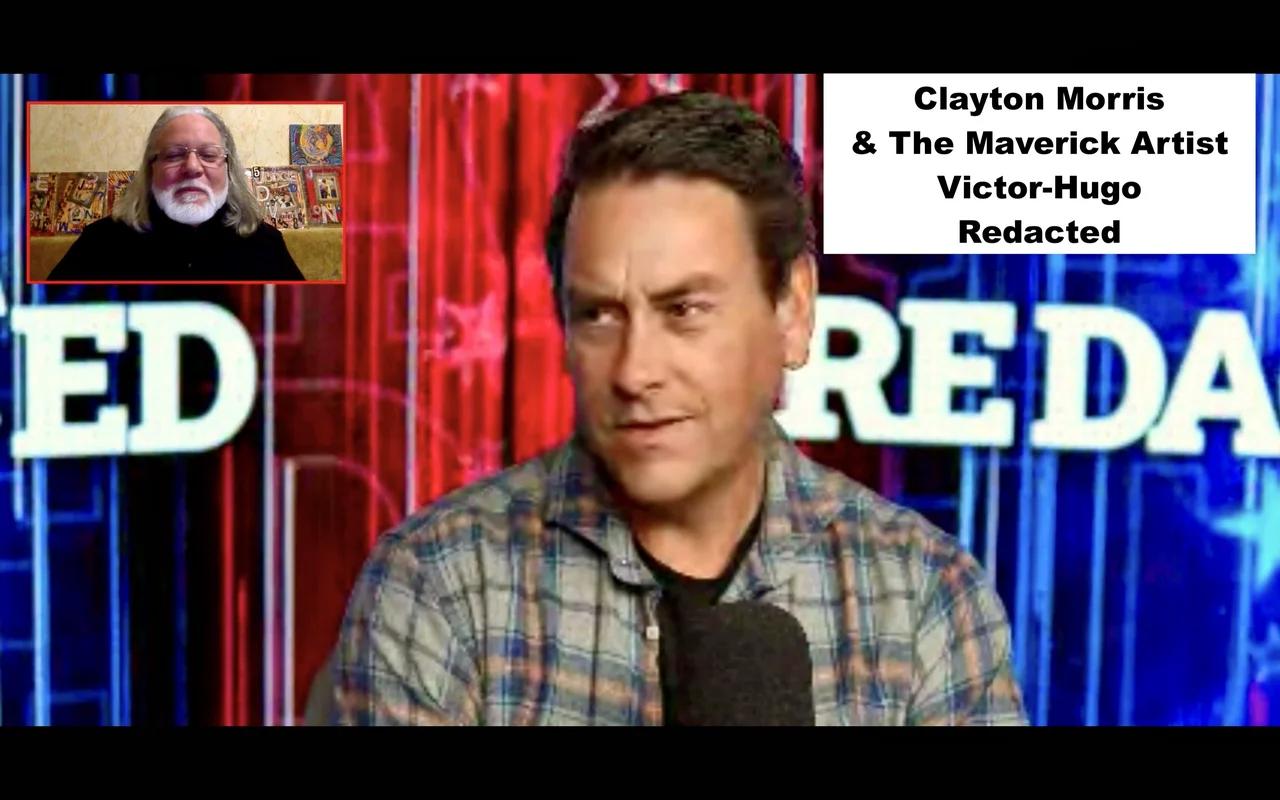
You probably remember the face. For over a decade, Clayton Morris was a staple of weekend mornings, the guy sitting on the Fox & Friends curvy couch, leaning into the camera with a caffeinated grin. He was the tech guy. The gadget guy. The one who seemed remarkably normal in the high-octane world of cable news. Then, in 2017, he just... left.
Most people think it was a standard career pivot. It wasn't.
The story of Clayton Morris and his time at Fox News isn't just about a guy moving from New York to a farm in Pennsylvania or starting a podcast. It's a weird, complicated case study in how a TV personality can completely reinvent their public identity, for better or worse. Honestly, the shift from broadcasting news to becoming the news himself—thanks to a massive real estate controversy—is something very few people saw coming while he was doing segments on the latest iPhone.
The Fox News Years: More Than Just a Talking Head
Clayton Morris joined Fox News Channel in 2008. If you look back at that era of cable news, it was a different beast. Social media was just starting to bake its way into the news cycle, and Morris was the bridge. He was the co-host of Fox & Friends Weekend, usually flanked by the likes of Abby Huntsman or Dave Briggs. He had this specific niche: "The Gadget Guy."
He wasn't just reading a teleprompter. He was genuinely obsessed with productivity and technology. He spent years building a brand as the relatable family man who knew how to optimize your life. It worked. Millions of viewers trusted him. That trust is a heavy currency, especially when you’ve been in people's living rooms every Saturday and Sunday for ten years.
By the time 2017 rolled around, the landscape at Fox was shifting. Politics were becoming more polarized, and the "lifestyle" segments felt increasingly separate from the primetime fire-breathing. Morris decided to walk away. At the time, he claimed he wanted to focus on his family and his "Financial Freedom Academy." He told his audience he wanted to help them achieve the same independence he had.
He didn't mention that within a few years, his name would be synonymous with lawsuits and a move to another continent.
The Real Estate Pivot That Changed Everything
After leaving Clayton Morris Fox News duties behind, he leaned hard into real estate investment. Specifically, "turnkey" properties. The idea was simple: you buy a distressed property in a place like Indianapolis, Morris’s company (Morris Invest) handles the renovation and the management, and you just sit back and collect the rent checks.
It sounded perfect. Too perfect.
By 2019, the narrative soured. Investigative reports from outlets like the Indianapolis Star and The New York Times started surfacing. Investors—many of whom were fans of his from his Fox News days—claimed they were sold "zombie houses." We’re talking about properties that were boarded up, filled with trash, or missing entire plumbing systems, despite the investors being told they were renovated and occupied.
The fallout was massive.
- Dozens of lawsuits were filed.
- Local residents in Indiana complained about blight.
- Morris maintained his innocence, basically saying he was a "middleman" who had been misled by a local property manager named Bert Whalen.
It was a mess. A public relations nightmare that a few years of "good morning" smiles couldn't fix.
The Move to Portugal and Redefining News
In the midst of the legal heat, Clayton and his wife, Natali Morris (also a former tech journalist), moved their family to Portugal. Critics called it "fleeing." Morris called it a "lifestyle design" move for his family’s safety and well-being.
Regardless of the motive, the move marked a total departure from his Fox News persona. He stopped being the gadget guy. He started being the "anti-establishment" guy.
Today, he runs Redacted, a massive YouTube news show with millions of subscribers. It’s a far cry from the Fox couch. He covers topics that Fox likely wouldn't touch with a ten-foot pole—deep-state theories, alternative health, and heavy skepticism of globalist institutions. He’s essentially built his own news network from a home studio. It’s fascinating because he’s used the exact same broadcasting skills he honed at Fox to undermine the very concept of corporate media.
What Most People Get Wrong About the Controversy
People love a villain. It’s easy to look at the Morris Invest saga and see a scammer. But if you look at the court filings and the ongoing litigation, the reality is more "bureaucratic catastrophe" than "Ocean's Eleven."
Morris argued that his role was primarily marketing and sales. He pointed the finger at the boots-on-the-ground team in Indianapolis. The legal system has spent years trying to untangle who actually owed the fiduciary duty to the investors. Some cases were settled, others were dismissed, but the stain on his reputation remains a permanent fixture of his Google search results.
Why the Clayton Morris Fox News Connection Still Matters
Why are we still talking about a guy who left a morning show years ago?
Because it represents the "Great Migration" of media. Morris was one of the first big-name anchors to realize that you don't need a multi-billion dollar studio to have a platform. He took his Fox audience, or at least a segment of it, and moved them to a private ecosystem.
He proved that "The Brand" isn't the network anymore. It's the person.
When you watch him on Redacted now, he’s more polished than ever. He uses the same vocal inflections, the same "we're in this together" eye contact, and the same pacing he used to talk about the iPhone 4. He just uses it to talk about the World Economic Forum now.
Actionable Takeaways from the Clayton Morris Story
If you’re following this story because you’re interested in media, real estate, or just the weird trajectory of public figures, there are some very real lessons here.
- Trust, but verify "turnkey" investments. If a deal seems too good to be true, specifically in real estate where you aren't physically present to see the roof, it probably is. Never rely on a "middleman" without independent third-party inspections.
- The "Parasocial" Trap is real. Just because you’ve watched someone on TV for ten years doesn't mean they are your friend or a financial expert. Morris’s followers trusted him because of his Fox News pedigree, which had nothing to do with his ability to manage properties in Indiana.
- Media is decentralizing. If you don't like what you see on cable news, remember that most of those anchors are looking for an exit strategy to build their own independent platforms.
- Due diligence is your responsibility. Whether you're consuming news or buying a house, the burden of proof is on the provider, but the burden of risk is on you.
Clayton Morris managed to survive a scandal that would have buried most people. He did it by leaning into a new niche and refusing to go away. Whether you see him as a victim of a bad business partner or a salesman who got caught, his journey from the Fox News couch to a studio in Portugal is one of the most unique—and polarizing—career arcs in modern media.
Check the public court records in Hamilton County, Indiana, if you want the dry, legal version of the real estate drama. It’s all there. But for the human version, just look at the shift in his content. He’s a man who reinvented himself because he had no other choice.
How to Research Property History Yourself
If you are looking into real estate because of stories like this, use tools like PropertyShark or local Assessor’s Office websites to check for liens, code violations, and past sales prices before ever sending money to a "turnkey" firm. Information is the only real protection against a bad deal.